How I reached financial freedom through investing
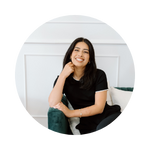
In 2020, while the world was doom-scrolling market crashes, Sim Kaur quietly started a Facebook group to explain investing in plain English. Within weeks, thousands of women had joined; and Friends That Invest was born. Today, she’s living mostly off her investment returns, running a global community, and teaching women how to build long-term wealth without the hype. Her philosophy? Keep it simple, stay consistent, and let compounding do its thing. If you’ve ever wondered what financial independence actually looks like (or how to start investing without feeling lost) this interview is your roadmap.
You’ve built such a genuine and engaged audience around your investing advice. What’s your origin story?
Friends That Invest started because I realized women were being completely left out of the money conversation, and honestly, it annoyed me. I grew up watching the difference between financial independence and financial dependence play out around me. When I was about 12, a woman at a family gathering told me I should become a doctor because “when you have money you can choose who you marry.” I remember thinking what a strange thing to say to a kid, but it stuck with me. Money gives you choices. Lack of it takes choices away.
Fast forward to March 2020. The stock market was dropping, my colleagues were stressing about their KiwiSaver losing five percent in a day, and everyone was doom scrolling. I was standing there in my scrubs thinking, this is not the moment to panic switch your funds. This is exactly how you lock in your losses.
That was my moment. I had studied finance, I had access to information that clearly wasn’t common knowledge, and it felt wrong to keep it to myself. So I grabbed my phone, made a tiny Facebook group, and started explaining money the same way I’d explain it to my friends. No jargon. No judgement. Just real talk.
A few days later I woke up and hundreds of women had joined. A few weeks later it was thousands. Then came the podcast, the book, the Investing Masterclass and now a global community. And the mission hasn’t changed at all. Make investing accessible, relatable and unapologetically for us.
You’ve been open about stepping back from full time work and living mostly from your investment returns. How long did it take you to get to this point and what does that look like?
It took years of consistency. Not glamour. Not luck. Just boring discipline repeated over and over again.
When I graduated as an optometrist I was earning a normal salary. I lived at home for a bit, kept my expenses low, drove a very old car and invested every single paycheque. Not huge amounts, just regular amounts. I remember my friends buying nicer things and I’d be like no thank you, this money is going to future me. Future me better appreciate this. And she does.
There were years where my idea of treating myself was buying sushi instead of making my lunch. There were weekends where I stayed in because I wanted to invest a little more. And eventually the portfolio grew enough that the returns covered my living costs.
I don’t share exact numbers because what I spend isn’t a roadmap for someone else, but what I can say is that freedom came from intention. I built a portfolio that earns more than my lifestyle costs. I structured my life so I wasn’t drowning in expenses. And I gave compounding enough time to work.
Financial independence for me isn’t about being rich. It’s about having the freedom to choose the work I do and the life I want to build.
What’s in your investment portfolio right now?
My portfolio is a “keep it simple, keep it strong” situation.
Most of it is broad based index funds and ETFs. I joke that they’re the slow cooker of investing. You set it up, leave it alone and it does the work quietly in the background.
I also have a few individual companies that I genuinely believe in long term. Tesla was one of my early ones when I was still learning and experimenting. I remember buying it during a dip and feeling like Warren Buffett himself. Of course, I later learned that one company shouldn’t be the main character of your portfolio.
I invest globally so I’m not tied to just New Zealand or just the US. And I keep a solid amount of cash and high interest savings because I like stability. I want to sleep at night, not stay awake watching stock charts flash red.
There is no magic stock. No secret strategy. Just diversification, patience and ignoring the hype.
How are you thinking about your future investments and future finances?
My future plans are rooted in freedom, not hustle culture. I did the grind phase. I worked full time, ran a business, and built a community. I know what it feels like to push past burnout. Now I want a financial life that gives me space.
I’m going to keep things simple. Keep investing in broad market ETFs. Keep choosing assets that don’t rely on me trading hours for money. Keep building systems that run even when I take time off. And keep aligning my money decisions with my values around representation, accessibility and community.
I’m not trying to be the richest person. I’m trying to be the most free version of myself. And I want other women to experience that too.
For readers who haven’t started investing yet, can you tell us what you invested in early on and any mistakes you made?
When I first started, I invested in whatever made sense to me at the time. I had a few individual companies I researched, some broad market ETFs, my KiwiSaver and a high interest savings account. Very classic beginner energy.
And yes, I made mistakes. I timed the market badly more times than I want to admit. I bought individual stocks too quickly because I thought research meant watching three YouTube videos. I got emotional. I got impatient. I questioned myself constantly.
There was even a time when I sold a stock because it dropped a bit and then watched it soar afterwards. I felt sick, but it taught me everything I needed to know about staying the course.
The biggest lesson was this. Mistakes don’t mean you’re bad with money. They mean you’re in the game. The only real mistake is waiting another five years because you’re scared of doing it wrong.