Kenzie Wesp: From Nanny to Owner of 4 Studios by 24

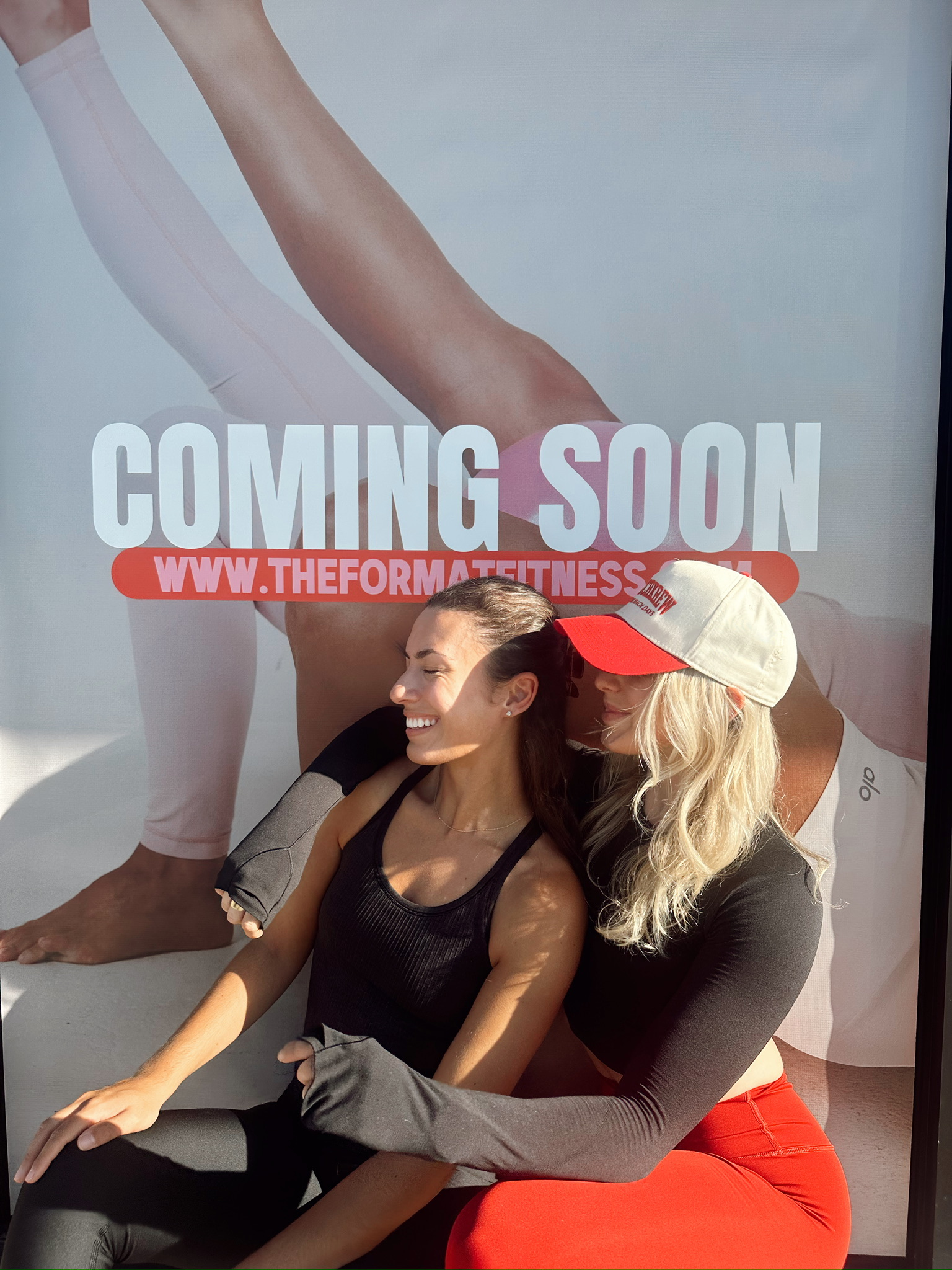
Most 21-year-olds are figuring out their first “real” job. Kenzie Wesp was figuring out how to run a fitness studio. Fresh out of college, she was piecing together income from nannying and teaching Lagree classes. She didn’t have a 10-year life plan. What she did have? An unexpected opportunity, and an angel investor who believed in her before she fully believed in herself.
Three years later, she owns four fitness studios.
We sat down with Kenzie to talk about the real numbers behind brick-and-mortar fitness, the $350,000 buildout, what it means to reinvest everything, and why she still hasn’t paid herself the way you might assume.
⬇️Read the full interview below ⬇️
Before you ever opened your first studio, where were you personally and financially at that point in your life?
At the time, I was 21, freshly out of college, nannying during the day and teaching Lagree classes whenever I could. Financially, I was very much in that early-twenties “figuring it out” stage. I wasn’t coming from savings or stability. I was piecing together income wherever I could.
What makes my story different is that I didn’t set out with a long-term plan to open a studio. I was asked to step in and take over an existing fitness studio that was already operating. The transition was made possible by an angel investor who believed in me before I fully believed in myself.
The leap didn’t feel like walking away from something safe. It felt like being handed an unexpected door and deciding whether I was brave enough to walk through it. I didn’t have much to lose financially, but I had everything to gain in experience and responsibility.
Walk us through the actual financial reality of opening that first studio from the ground up.
About a year and a half after taking ownership of my first studio, I opened my second location, which was my first full ground-up buildout.
It was a $350,000 construction project funded through a business loan.
The loan covered construction, contractor work, electrical, plumbing, flooring, mirrors, front desk build, bathrooms, lighting, architectural plans, permits, inspections, and HVAC requirements.
What added up quickly were the out-of-pocket expenses paid from revenue coming from our first studio:
- $40,000 deposits on Lagree machines
- Security deposit + first month’s rent
- Branding and signage
- Lobby and retail setup
- Software/POS systems
- Insurance, legal, licensing
- Marketing and launch costs
- Towels, cleaning supplies, retail inventory
Those “small” checks totaled tens of thousands before we ever opened. Once opened, monthly fixed expenses included rent, payroll (instructors and front desk), utilities, software subscriptions, loan payments, insurance, cleaning and restocking, marketing, equipment maintenance, and retail replenishment.
Unlike the studio I took over, this one had no existing membership base. Every single member had to be earned through a presale strategy. That was the first time I truly understood the difference between revenue and cash flow.
My budgeting at the time was notes and constant projections centered around the question: “How many founding members do we need to stay afloat?” It was uncomfortable and risky. There was no financial cushion.
How did you get your very first members to actually join? What worked, and what didn’t?
We relied heavily on a founding member presale before opening. We invited people to lock in the lowest rates they would ever have by committing early. It created urgency, rewarded trust, and made people feel like they were building the studio with us from the start.
💡What worked:
- Clear founding pricing
- Sharing the buildout journey on social media
- Personal outreach to clients from our original location
- Creating excitement about being an “OG” Passport Member
❌What didn’t:
Generic ads without a story or personal connection.
Our first few months ended up being some of the strongest in brand history up to that point. But emotionally, it didn’t feel real until people physically walked through the door. After months of watching money be invested into construction, each class sign-up was a reminder of my why.
Can you share a specific moment where you had to choose between paying yourself, reinvesting, or covering expenses?
When I decided to go all in on building the studios, I was also getting married. We were able to rely on my husband’s income as our primary personal stability. That allowed me to continually reinvest into the business rather than needing to pay myself from it.
There were real moments where the choice was: take an owner's draw, reinvest, or cover expenses?
At this stage in my career, every dollar goes straight back into the studios, via equipment, marketing, staff, and preparation for the next location. We aren’t using studios to elevate our lifestyle. We’re using them to build something bigger.
As demand grew, what were the biggest financial trade-offs around expansion?
The biggest tradeoff was deciding whether to continue taking on business loans to fund growth. Each new location meant higher rent, staffing costs, debt, and the reality of my own capacity to lead.
We leaned on business plans, growth spreadsheets, and “what-if” scenarios. But ultimately, the decision came down to whether we could maintain quality control while responsibly managing the financial risk.
Now, three years and four studios later, we’re proud of those decisions, even though they were risky at the time.
Was there ever a moment when you questioned whether continuing was worth it?
Honestly, I’ve never questioned whether to continue. I’m obsessed with my job and feel it’s the greatest gift. When tough moments come, I always bring myself back to my why, personally and for the business. My goal is to touch lives through movement and build brands that do that too. With that as my why, it’s the ultimate fuel to the fire.
For anyone building brick-and-mortar, I’d tell them to watch for:
- Consistent demand
- Strong retention
- Clear systems and processes
- Whether your team can actually handle growth
If the core product still resonates and people keep coming back, it’s worth continuing.
If you were helping someone decide whether to open a studio today, what’s something concrete you’d want them to work through first?
Before opening, I’d have someone slow down and work through five foundational steps:
- Build a clear brand deck defining exactly who the studio is for and why it exists
- Translate the dream into real numbers
- Know your minimum financial metrics before touring a space
- Choose a location aligned with your ideal client and pricing model
- Invest early in a strong founding team and a great lawyer
Then pressure-test the plan by asking:
“If I only reach 70% of projected members for the first six months, do the numbers still work?”
If the answer is no, you’re not ready yet.
Follow Kenzie’s Journey ✨
Building brick-and-mortar at 21 isn’t normal. Reinvesting everything for years isn’t glamorous. But watching something grow because people believe in it? That’s the part that makes it worth it.
See more concrete details & numbers on our socials with Kenzie here.
And if you want more behind-the-scenes on studio ownership, expansion, and the real numbers behind fitness:
TikTok: @kenziewesp
Substack: The Founders Files
Instagram: @kenziewesp
